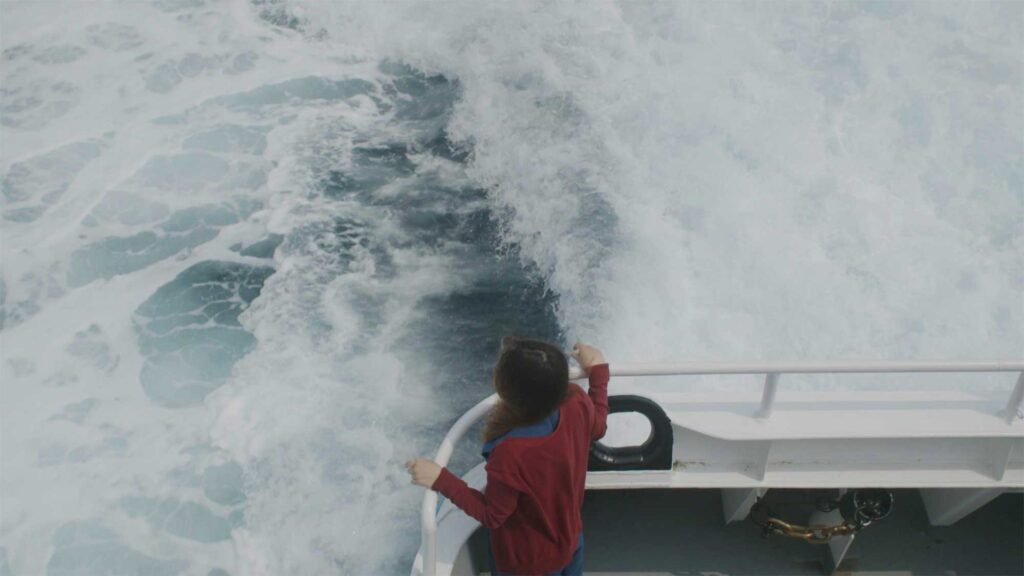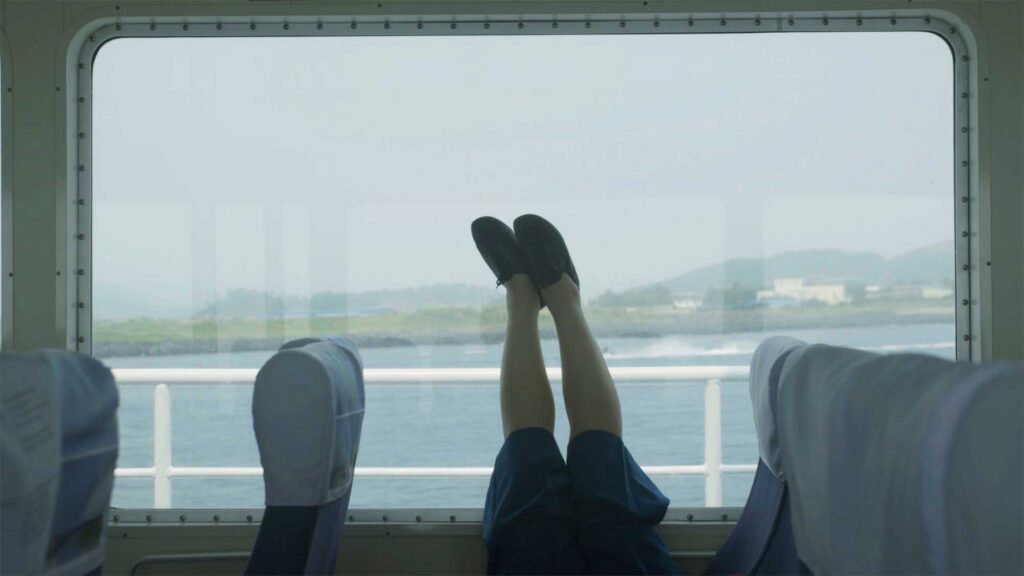

Eun-jeong Oh grew up beside the sea in North Korea. She remembers swimming every morning and returning home with salt dried white on her forehead. Those memories sit alongside a much harder childhood. After losing both parents and spending years on her own, she escaped North Korea in 2009.
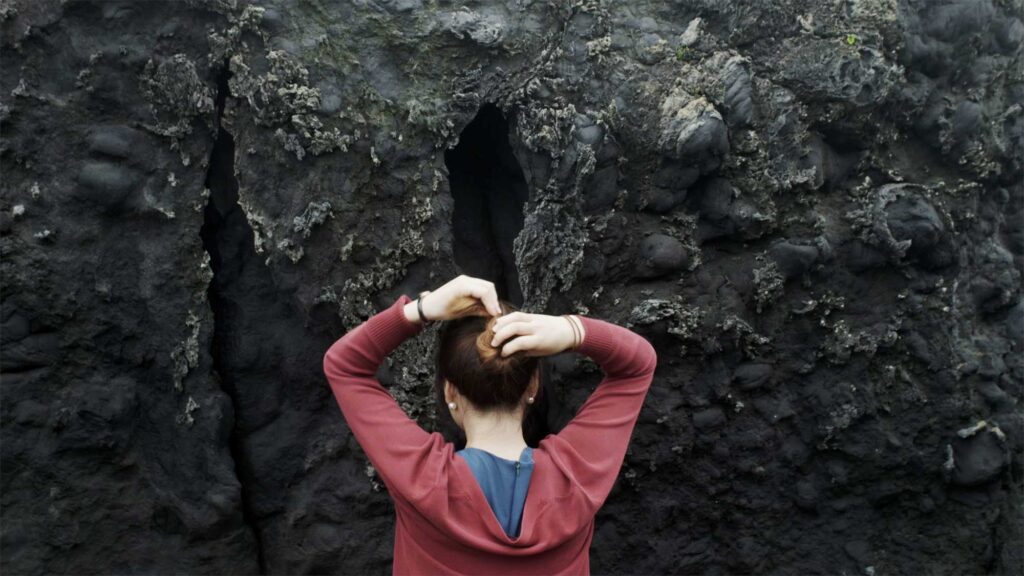
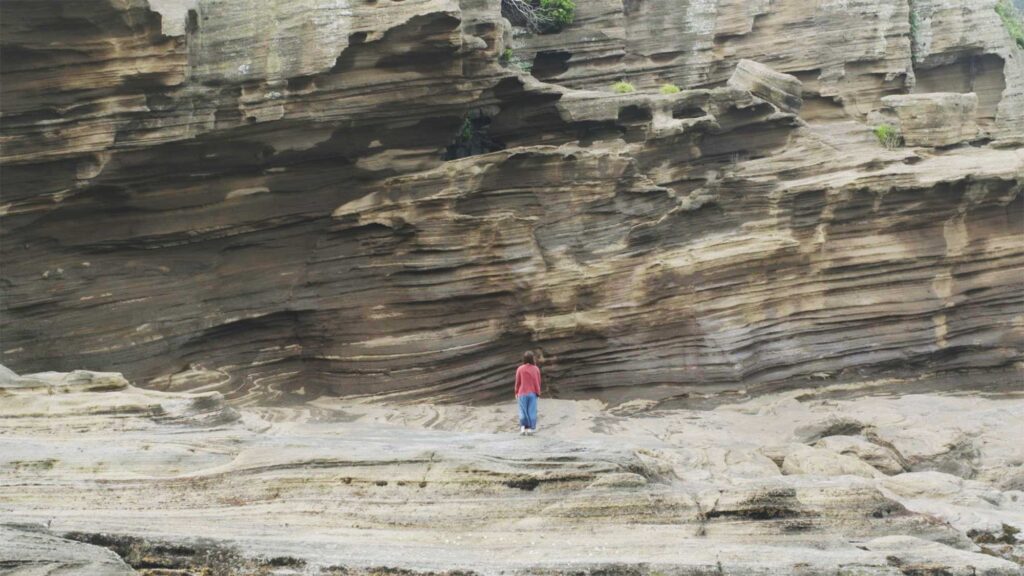
Years later, literature gave Eun-jeong a way to revisit those experiences. For The Washington Post, we produced and directed a short documentary interview about her life and writing. Filmed on Jeju Island, South Korea, the project formed part of journalist Anna Fifield’s reporting on a new generation of North Korean defectors building lives in the South.
A Childhood by the Sea in North Korea
The documentary, titled My Hometown Means the Sea: A North Korean Defector’s Poem, begins with Eun-jeong’s relationship to the place she left behind. Her memories are not limited to hardship. She recalls swimming in the sea and experiencing moments of happiness, even during a difficult childhood.
That complexity matters. Public accounts of North Korea often concentrate on political repression, isolation and escape. Eun-jeong’s experiences include those realities, but her recollections also contain ordinary childhood pleasures and attachments.
We wanted her own account to guide the film. Rather than attempt to explain North Korea through a single person’s experience, we concentrated on what Eun-jeong remembered and how those memories continued to influence her writing.
Discovering Literature After Leaving North Korea
Books were scarce during Eun-jeong’s childhood. She recalls having access to just one novel, which she borrowed from a neighbour and read repeatedly. After arriving in South Korea, she encountered a far wider range of literature.
She enrolled in college, where a professor encouraged her interest in Korean writing. Reading introduced her to different ways of expressing personal experience and helped her develop an interest in poetry.
The contrast between those two periods of her life is striking. In North Korea, a single borrowed book had offered a rare opportunity to read fiction. In South Korea, literature became something she could study, explore and eventually contribute to herself.
How a Maple Tree Led to Her First Poem
Eun-jeong did not initially set out to become a poet. Her first poem emerged after she saw a maple tree on campus and remembered her sister. She began putting feelings into words that she had previously struggled to express.
Writing notes on her phone became part of that process. Poetry offered a way to work through memories without having to explain every experience directly in conversation. In 2015, she published her first poetry collection, Calling Home.
The title reflects a recurring concern in her work: the complicated meaning of home after displacement. Her poems return to North Korea, family relationships and experiences that remain part of her identity despite the distance between her past and present lives.
Eun-jeong does not describe her former home in exclusively negative terms. She acknowledges oppression and suffering while also remembering people, places and moments she valued. That tension gives her writing much of its significance.
Filming Eun-jeong’s Interview on Jeju Island
The Washington Post commissioned CONTENTED directly to produce and direct the documentary. We filmed Eun-jeong on Jeju Island, with Nils Clauss responsible for cinematography.
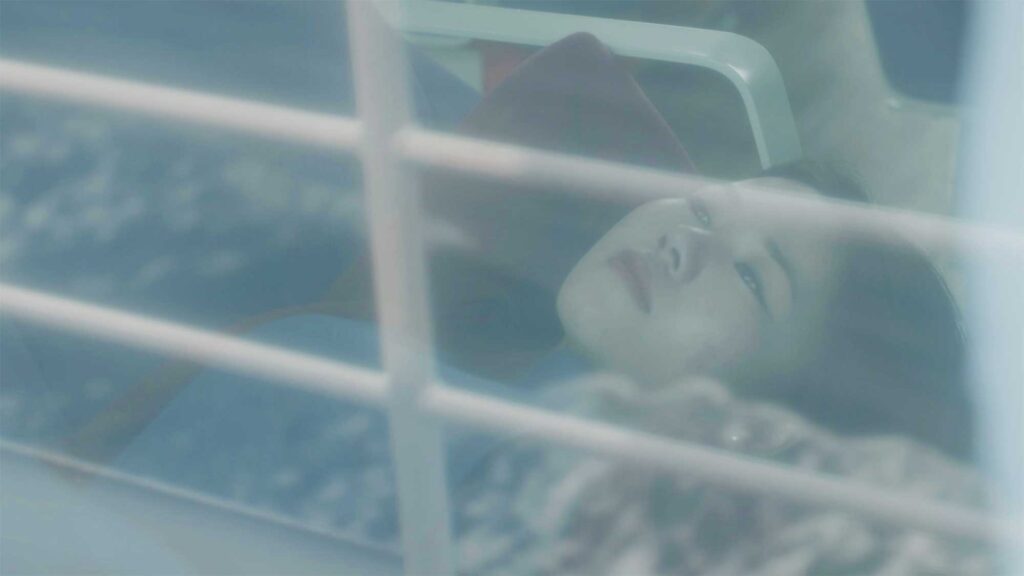
Our priority was to give Eun-jeong space to speak about her experiences and the development of her writing. The film concentrates on her recollections rather than attempting to recreate her escape or construct a broader history of North Korea.
Her memories of the sea also give the film a connection to its location. Although she now lives in South Korea, the coastline remains closely associated with the childhood she describes. We approached the interview with that relationship between memory and place in mind.
The production brought together Min Joo Kim, Joyce Lee and Jesse Mesner-Hage, who led production on the project. Udo Lee recorded sound, while Erin Patrick O’Connor handled editing and colour grading. The soundtrack included music from APM Music.
Working With The Washington Post’s Reporting
Journalist Anna Fifield interviewed Eun-jeong as part of her reporting on North Koreans who had established new lives in Seoul. That wider reporting examined experiences beyond the moment of escape, including education, work and personal ambitions.
Eun-jeong’s story adds a literary dimension to the subject. Her development as a poet shows how access to education and books can shape a person’s life after migration. It also demonstrates why a defector’s story does not end upon reaching South Korea.
For our documentary, the challenge was to communicate that larger context without allowing it to overwhelm Eun-jeong’s individual experience. Her memories, poems and reflections remained the central material.
Why Eun-jeong’s Story Goes Beyond Escape
Stories about North Korean defectors often follow a familiar structure: life under the regime, the decision to leave and the journey to safety. Those experiences are important, but they do not describe everything that follows.
Eun-jeong’s life as a writer offers another perspective. She has continued to examine her childhood through poetry, including memories that resist simple categories of happiness or suffering. Her relationship with North Korea remains part of her work, even as she builds a different life in the South.
My Hometown Means the Sea focuses on that ongoing relationship between memory, literature and identity. For us, the film was an opportunity to document how one person found a means of expression after years of limited access to books.
Watch the documentary and find the production credits on our My Hometown Means the Sea project page.