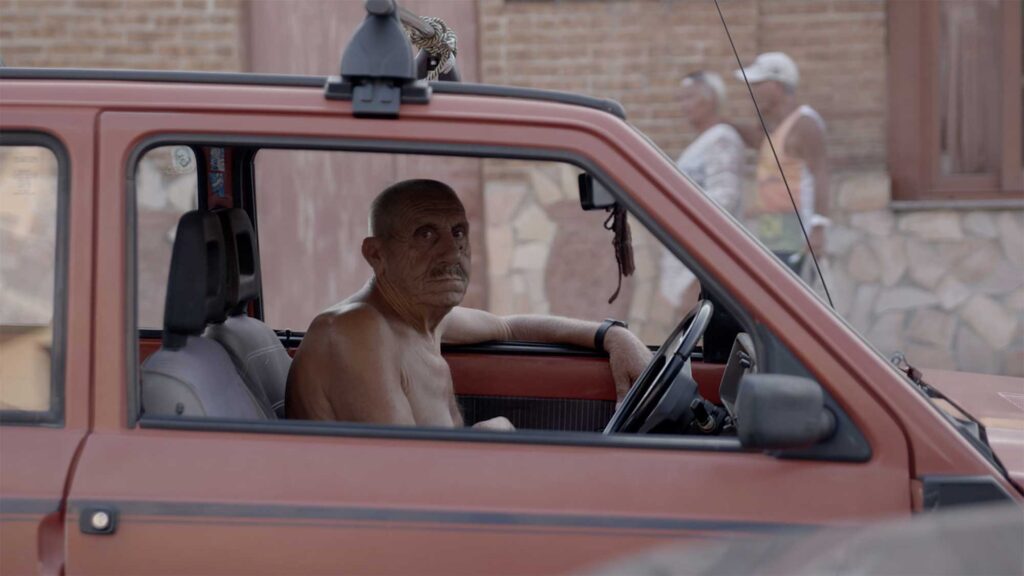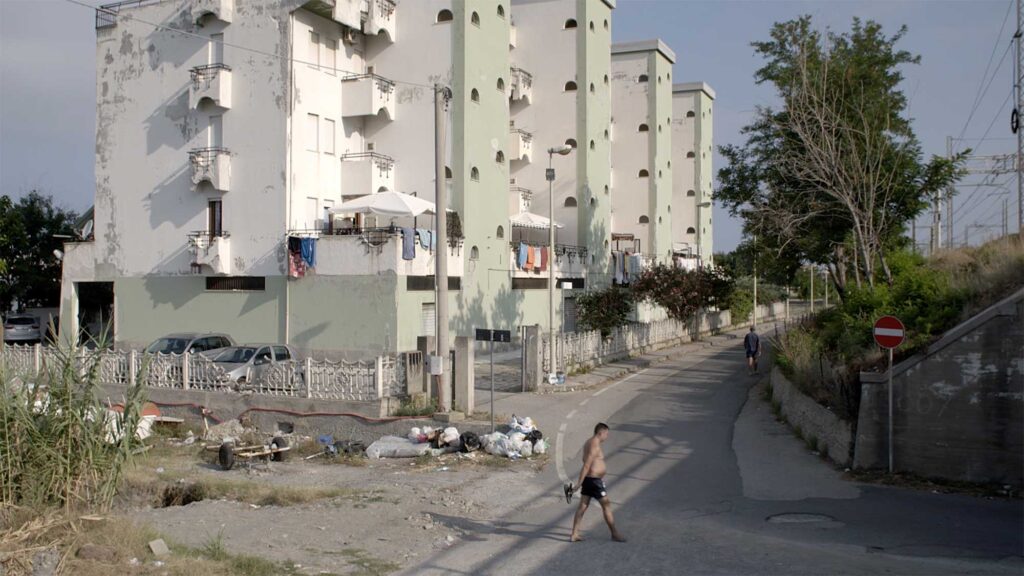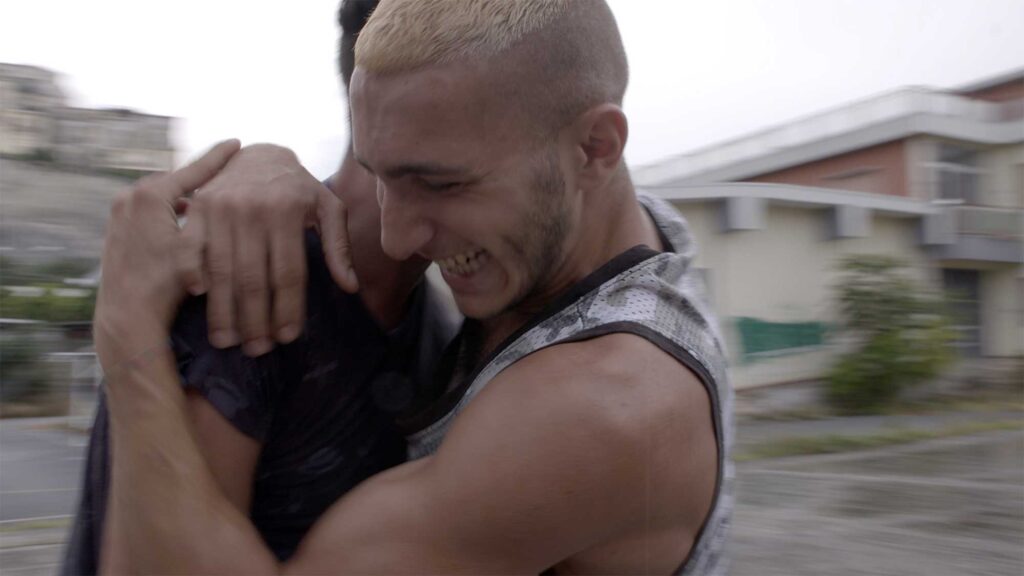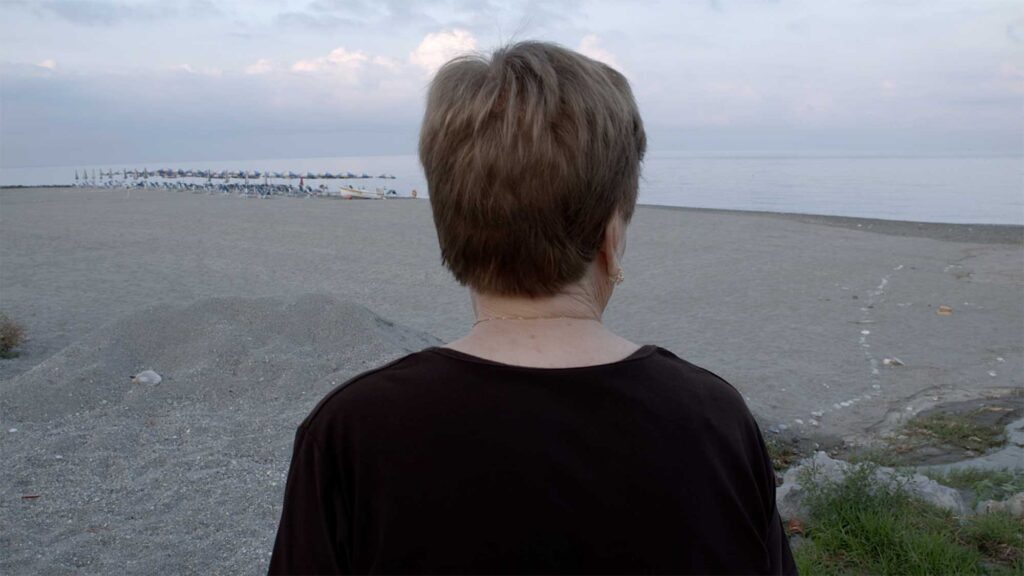

In the coastal town of Amantea in southern Italy, three people face very different decisions about where to build their lives. Saveria Bruno returned to Calabria after spending much of her life in Venezuela. Teenager Daniele Chiodo considers leaving the region, while Nigerian refugee Stanley Eboigbe hopes to establish a future in Italy.
Their stories form the basis of Should I Stay or Should I Go, a short documentary directed by Nils Clauss and co-directed by Swiss filmmaker Thomas Horat. We filmed it in Calabria in 2018 as part of a residency organised by the La Guarimba International Short Film Festival. What began as a project about Italians returning home developed into a film about how migration changes meaning depending on who is moving and where they hope to go.
How a Film Festival Brought Us to Calabria
Nils first met Thomas Horat at the La Guarimba International Short Film Festival in 2017. The festival takes place in Amantea and works to bring cinema into the local community. Its founders, Giulio Vita and Sara Fratini, later invited the filmmakers to develop a documentary connected to the town.
We returned to Calabria in 2018 for the festival’s residency programme. The initial idea centred on return migration, a familiar experience in southern Italy. Generations of Calabrians had left the region to find work elsewhere, and some eventually came back.
During our research, we met Stanley Eboigbe, a Nigerian refugee living in Italy. His presence changed the direction of the film. Rather than concentrate solely on Italians who had emigrated and returned, we began to connect their experiences with those of people arriving in Italy today.
Three People, Three Different Relationships With Home
Saveria Bruno, Daniele Chiodo and Stanley Eboigbe share Amantea as a place of residence, but their circumstances differ considerably.
Saveria was 86 when we filmed her. After spending much of her life in Venezuela, she had returned to Calabria. Her story raises a question that people who have lived abroad may recognise: what happens when the place you remember has changed during your absence?
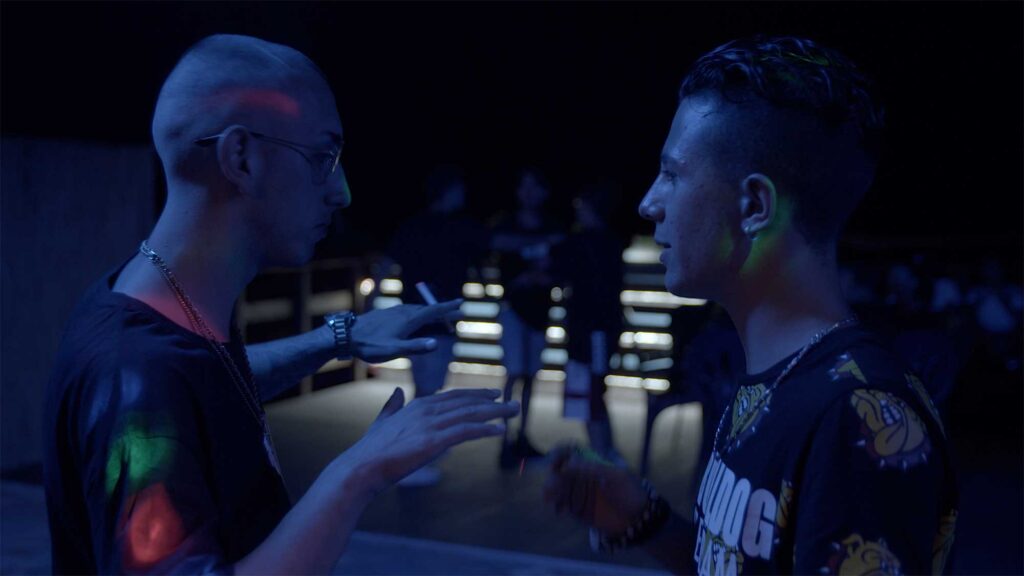
Daniele represents another stage in that cycle. As a teenager growing up in southern Italy, he considers leaving in search of better opportunities. His future remains uncertain, but the possibility of departure already shapes how he thinks about his life.
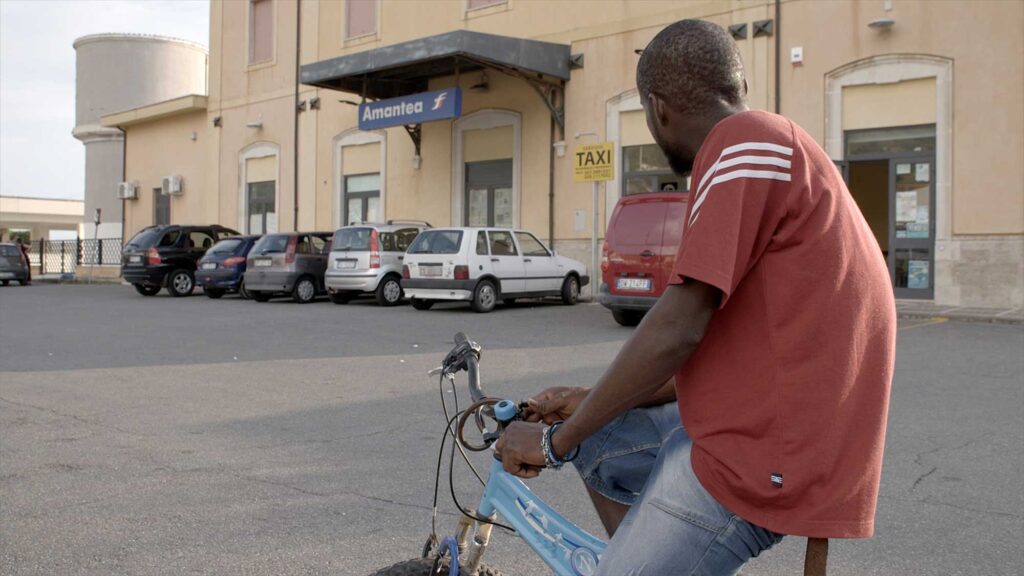
Stanley faces a different situation. Having left Nigeria, he is trying to establish himself in Italy. Where Daniele sees the possibility of a future elsewhere, Stanley hopes to find one in the country Daniele may leave.
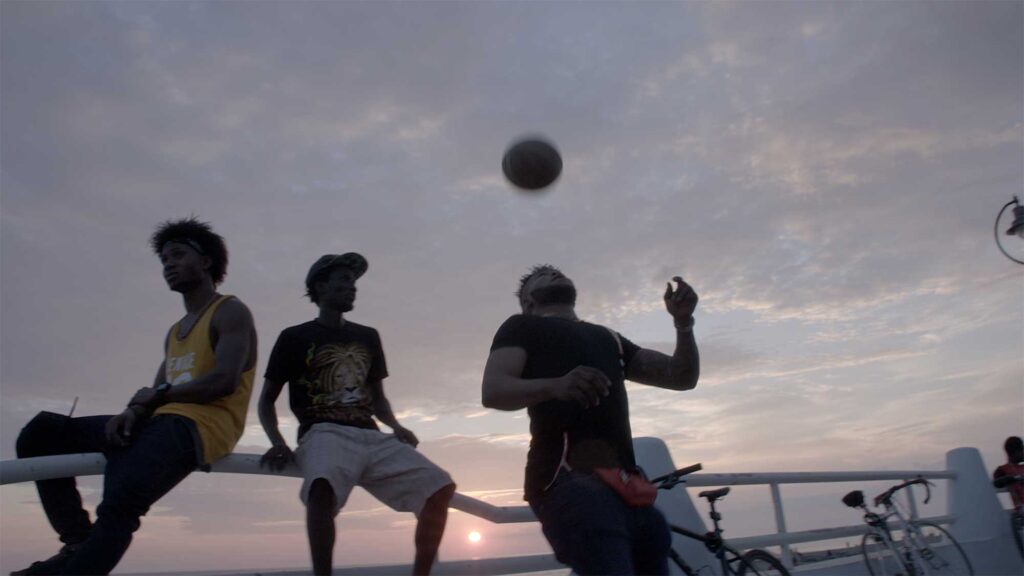
We did not want to suggest that these three experiences were identical. Their circumstances, opportunities and legal positions differ. Yet their interviews reveal overlapping concerns about work, family, security and the possibility of a better life.
Connecting Italian Emigration With Immigration Today
One of the film’s key historical references comes from a 1965 Italian newsreel about Italian emigrants in Switzerland. It includes street interviews in which Swiss residents express hostility towards the newcomers.
The footage provides an uncomfortable reminder of how Italians once experienced exclusion abroad. In contemporary Italy, refugees and other migrants can encounter similar prejudice. Placing these experiences alongside one another complicates the familiar division between people who belong and people who arrive from elsewhere.
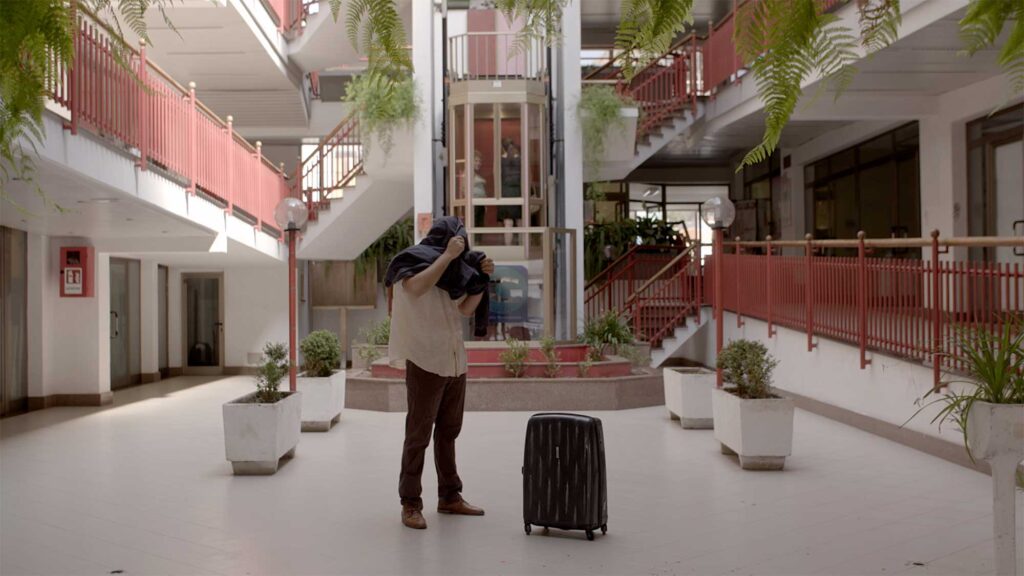
We used the archival material near the beginning of the documentary, alongside staged portraits of our protagonists. The combination connects past and present without claiming that the circumstances are exactly the same.
The contrast matters because migration is often discussed from the perspective of the receiving country. Calabria offers another point of view. It is a region with a long history of people leaving, even as others now arrive hoping to make a life there.
Why We Combined Interviews With Staged Portraits
The film moves between interviews, observational footage and carefully composed portraits. For the portraits, we drew inspiration from photographers Jeff Wall and Stephen Waddell, whose work helped inform our treatment of people and place.
Rather than film every interview as a conventional talking head, we used separate images of the protagonists and their surroundings. Their voices sometimes continue over footage of another character. This allows the three stories to overlap through shared concerns instead of keeping each person within a separate chapter.
The portraits also establish a relationship with the historical newsreel. We wanted the images to carry some of the discomfort associated with being observed, judged or treated as an outsider. The resulting sequences give the archival material a direct connection to the people appearing in our film.
Nils handled cinematography, editing and colour grading in addition to directing. These responsibilities allowed us to develop the connections between the interviews, portraits and observational footage throughout production and post-production.
Filming in Amantea Across Languages and Cultures
Making the documentary required us to work across several languages. Nils had extensive experience filming in South Korea and elsewhere in Asia, but did not speak Italian. Thomas had some knowledge of the language, while members of the local team helped us communicate with participants.
This was particularly important during interviews. We needed people who could do more than translate prepared questions. They had to maintain a conversation, respond to unexpected answers and help participants feel comfortable speaking about personal experiences.
Our collaborators Giulio, Diana and Paula provided valuable support with the Italian interviews. Their ability to engage with the participants helped us gather the material that became central to the film.
The shoot also challenged our expectations about scheduling. We initially anticipated four or five filming days, but the production eventually required eleven. Arrangements often developed through conversations and return visits rather than following a fixed plan.
That slower process was sometimes frustrating, especially with the festival approaching. Yet it also reflected the practical realities of making a documentary with people whose lives did not revolve around our filming schedule. We completed the shoot on the final day of the festival.
A Collaboration Between Mythenfilm, CONTENTED and La Guarimba
Should I Stay or Should I Go brought together filmmakers and organisations from several countries. Nils Clauss directed the documentary, with Thomas Horat as co-director. Mythenfilm produced the project, CONTENTED co-produced it, and La Guarimba International Short Film Festival served as executive producer.
The film grew directly from the festival’s residency programme and its relationship with Amantea. Local collaborators helped us find participants, arrange interviews and navigate the production. Their involvement was essential to making a film about the community rather than arriving with a story already decided.
We filmed in 2018 and returned to present the completed documentary as the opening film of La Guarimba’s 2019 festival. Screening it in the town where we had worked gave the project a direct connection to its original setting and participants.
What the Film Reveals About Leaving and Returning
Saveria, Daniele and Stanley occupy different points in a recurring pattern. One has returned after decades abroad. Another considers leaving. The third has arrived and hopes to stay.
Their experiences show why migration cannot be reduced to a single direction or a simple distinction between residents and outsiders. Economic circumstances, personal relationships and political conditions all influence whether someone can leave, return or remain.
For us, the most revealing part of the project was discovering how these stories connected without forcing them into the same narrative. Calabria’s history of emigration offered a way to consider contemporary immigration through a different lens.
Should I Stay or Should I Go does not resolve the choices facing its protagonists. It brings their experiences together and asks viewers to consider how differently we judge migration depending on who crosses a border.
Watch the film and find the full production credits on our Should I Stay or Should I Go project page.