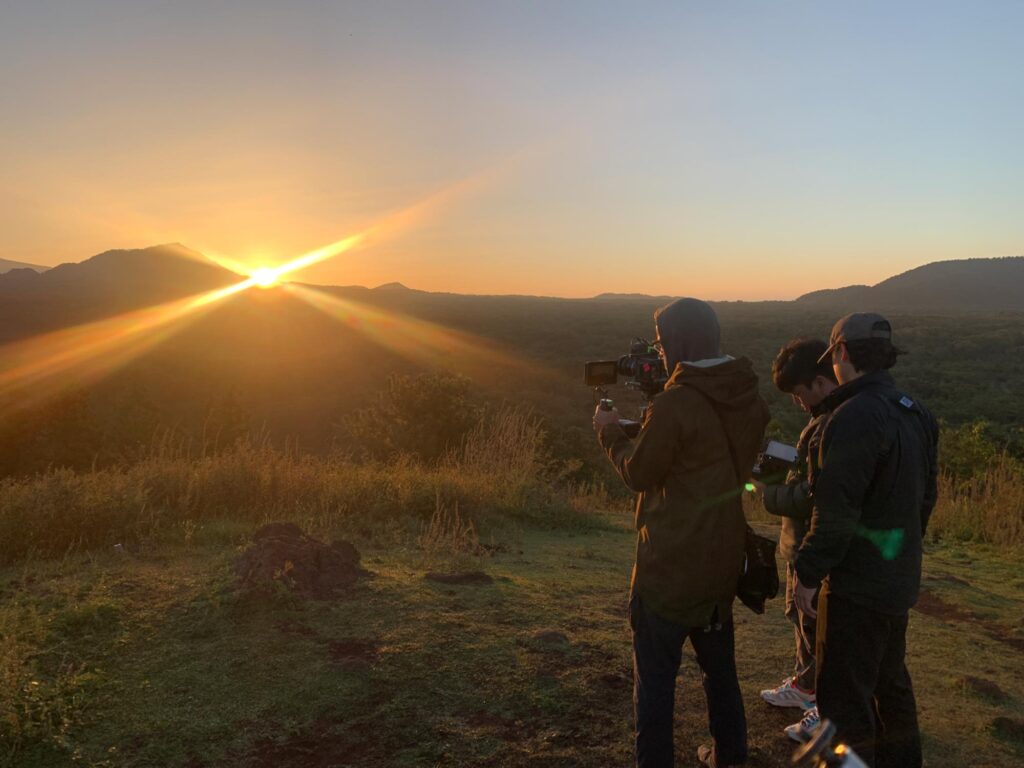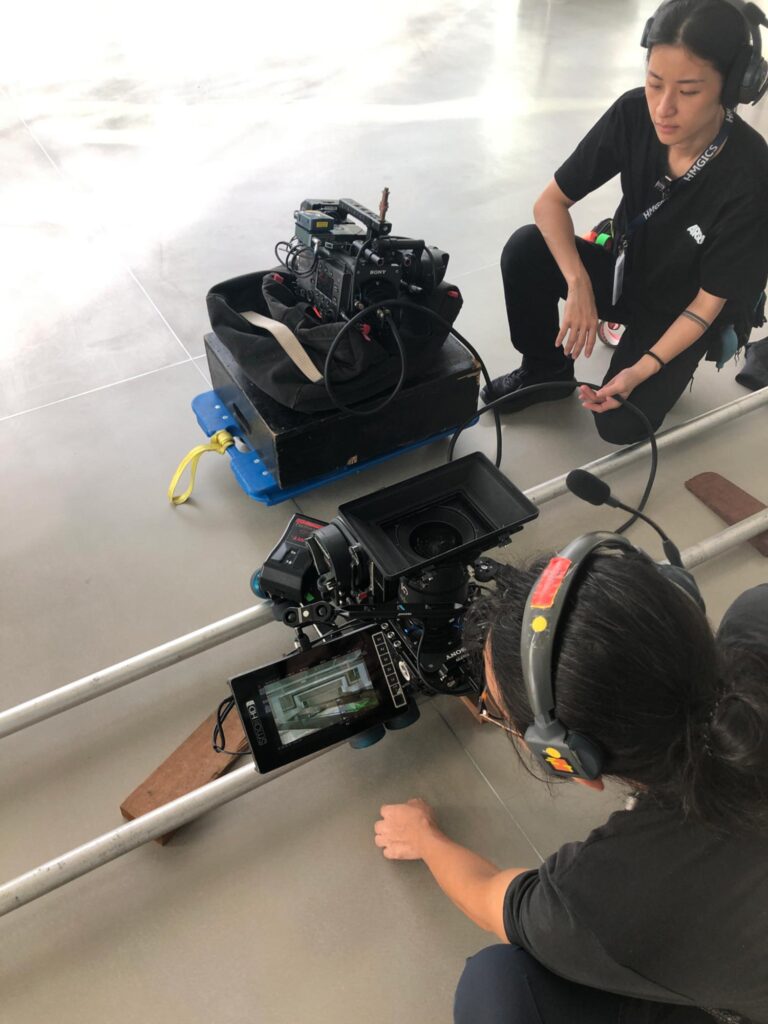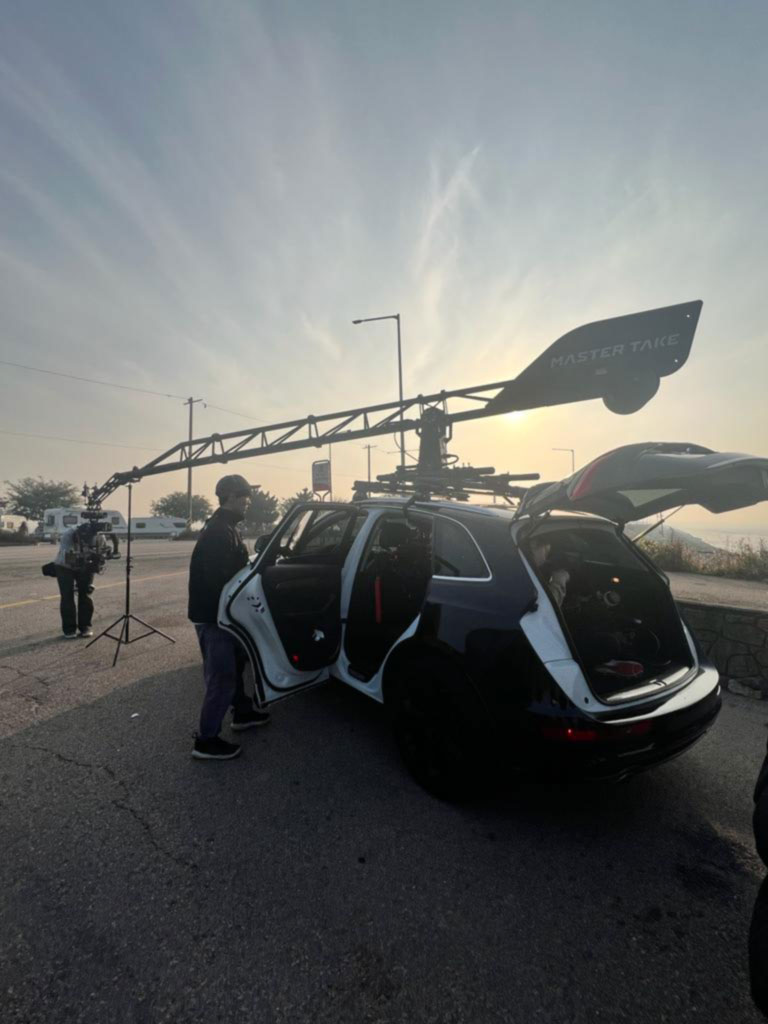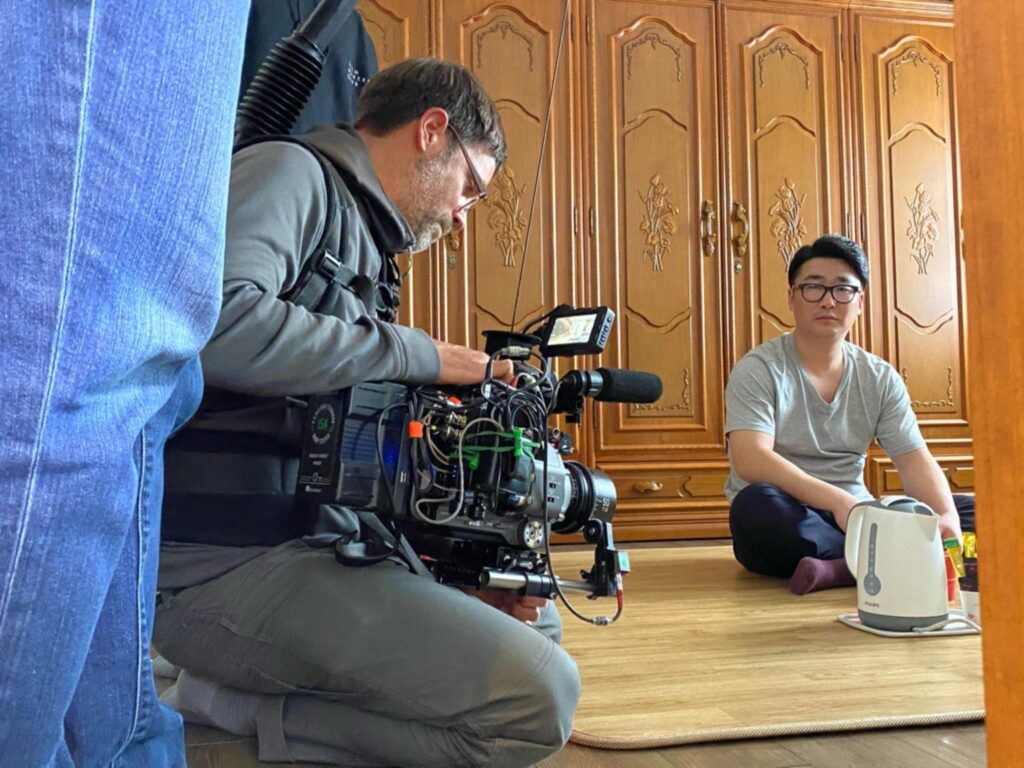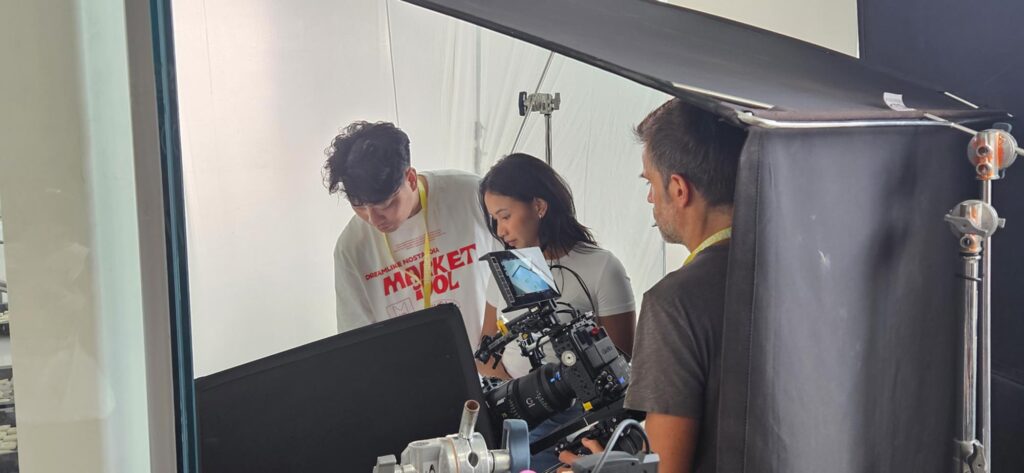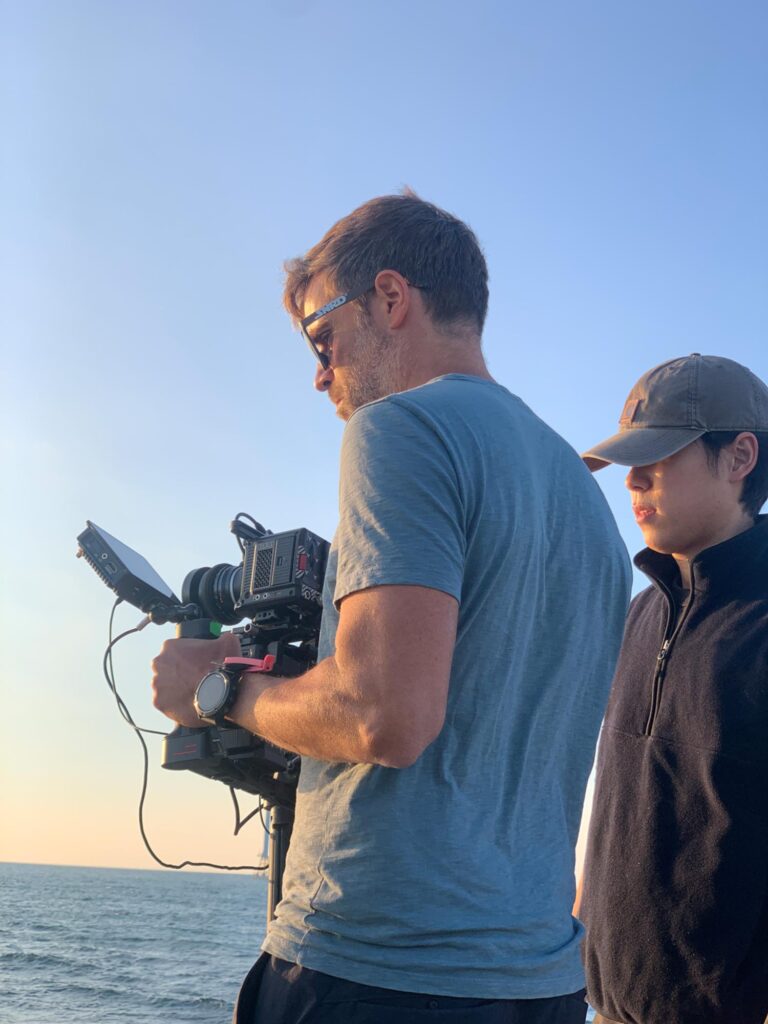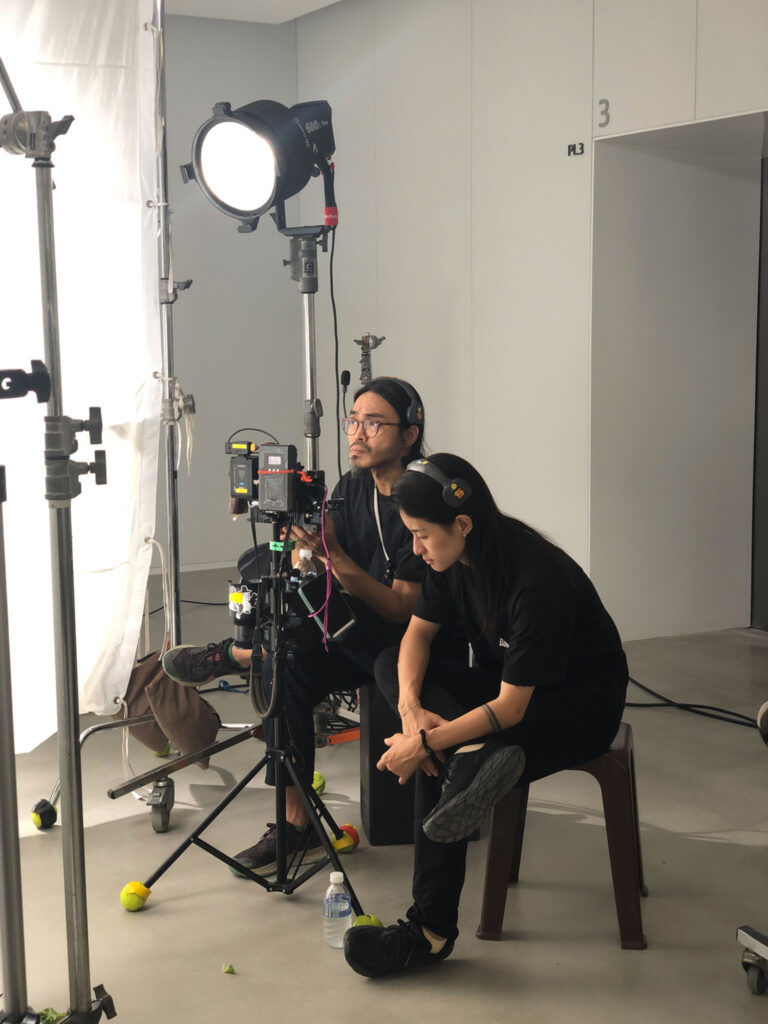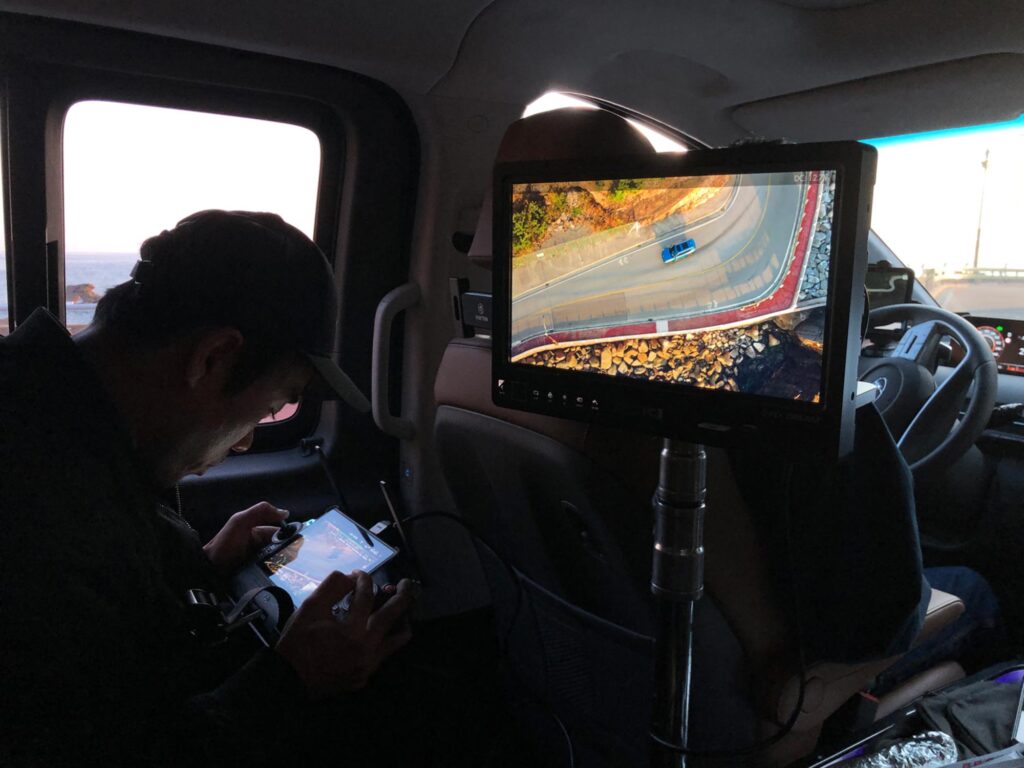


If you’re planning a commercial, documentary or branded content shoot in South Korea, finding the right film crew in Seoul is one of the first production decisions you’ll need to make. Seoul has experienced cinematographers, camera assistants, lighting and grip crews, sound recordists, production designers and specialist equipment suppliers. The challenge for an international production is not simply finding people. It’s knowing which crew members the project needs, how they will work together and who will take responsibility for the local arrangements.
At CONTENTED, we work with Korean and international crews on productions ranging from small documentary shoots to larger commercial campaigns. The crew structure changes from project to project, but a few decisions consistently make the difference between a manageable production and an unnecessarily complicated one.
Start With the Shoot, Not the Crew List
Before contacting freelancers or requesting quotes, establish what you’re actually filming. A documentary interview in a Seoul apartment might require a director of photography, camera assistant, sound recordist and producer. A commercial involving several locations, actors, lighting setups and camera movement will need additional departments and more preparation.
The important questions are practical:
- How many shoot days are planned, and how many locations need to be covered?
- Are you bringing a director, cinematographer or other crew from overseas?
- Will you need locally rented camera, lighting, grip or sound equipment?
- Does the shoot involve actors, casting, art direction or specialist rigs?
- Who will manage the schedule, locations, transport and communication on set?
These decisions determine the crew size more reliably than starting with a standard list of job titles. A well-planned small crew can work efficiently. An understaffed crew on a complicated commercial is a different matter. Saving money on personnel can quickly become expensive when setups take longer, equipment cannot be moved efficiently or the schedule runs into overtime.
Which Crew Members Should You Hire Locally?
For international productions, the first decision is usually which positions to bring from abroad and which to fill in South Korea. Some clients arrive with their director and director of photography already attached. Others need a complete local crew, including creative and production leadership.
Producer and Production Manager
For most visiting productions, a reliable local producer is the most important starting point. The producer helps translate the brief into a workable shoot, coordinates crew and suppliers, and identifies potential problems before they affect the schedule. Depending on the scale, a production manager or coordinator may handle bookings, transport, paperwork, crew communication and daily logistics.
These responsibilities should be assigned clearly. A production cannot run efficiently if everyone assumes someone else is handling location access, equipment collection or the next day’s call sheet.
Director of Photography and Camera Crew
If you’re hiring a cinematographer in Seoul, look beyond the showreel. A DoP who regularly shoots documentary interviews may be well suited to a compact factual production, while a large commercial involving motion-control equipment, complex lighting or multiple cameras requires a different set of experience.
Ask to see complete projects similar to yours. Discuss the camera package, lighting requirements, preparation time and the supporting crew the cinematographer expects to work with. A first assistant camera, second assistant camera, digital imaging technician or additional operator may be necessary, depending on the production. Not every shoot needs all of them.
Lighting, Grip and Sound
Lighting and grip requirements should be discussed with the DoP before the budget is finalised. A simple interview may need only a modest lighting package. A commercial shot across a large interior, with controlled daylight or extensive camera movement, may require a gaffer, lighting technicians, grips and additional equipment.
Sound deserves the same consideration. If dialogue or interviews are central to the film, hire a dedicated production sound recordist. Relying on the camera department to manage sound as an additional responsibility is rarely a sensible saving.
Art Department, Styling and Talent
If the production involves actors, products or designed environments, establish the requirements for production design, props, wardrobe, hair and makeup early. These departments need preparation time, not just a booking for the shoot day. Their work may also affect location selection, transport and the shooting schedule.
Hiring Freelancers or Working With a Seoul Production Company
You can hire crew members individually or work with a local production company that assembles and coordinates the team. Both approaches can work.
Hiring freelancers directly makes sense if you already have an experienced producer on the ground who knows the Korean industry, can negotiate arrangements and is available to manage the shoot. Working with a local production partner is usually more practical when you’re coordinating from overseas or need several departments, equipment suppliers and locations brought together. A production partner can also provide continuity if the brief changes, a crew member becomes unavailable or the schedule needs to be reorganised.
At CONTENTED, we work in different capacities depending on the project. Sometimes we provide production services for an international company bringing its own creative team. On other projects, we’re involved in direction, cinematography and production from the outset. The arrangement should reflect the client’s actual requirements rather than forcing every project into the same production model.
What Should You Check Before Confirming a Film Crew?
Availability and day rates are only part of the decision.
Relevant experience matters more than an impressive list of clients. Ask whether the crew has handled comparable production formats, equipment and schedules.
Clarify who provides the equipment. Some camera operators or cinematographers have their own packages; others work with rental houses. Make sure the quote distinguishes labour, equipment and any additional technical personnel.
Confirm working hours and overtime arrangements. Preparation, travel, company moves and wrap time all affect the schedule. These conditions should be agreed before the shoot.
Establish communication responsibilities. On international productions, the person coordinating between the visiting team and Korean departments needs to understand both the creative brief and the practical requirements.
Check availability beyond the filming dates. Technical scouts, location visits, equipment