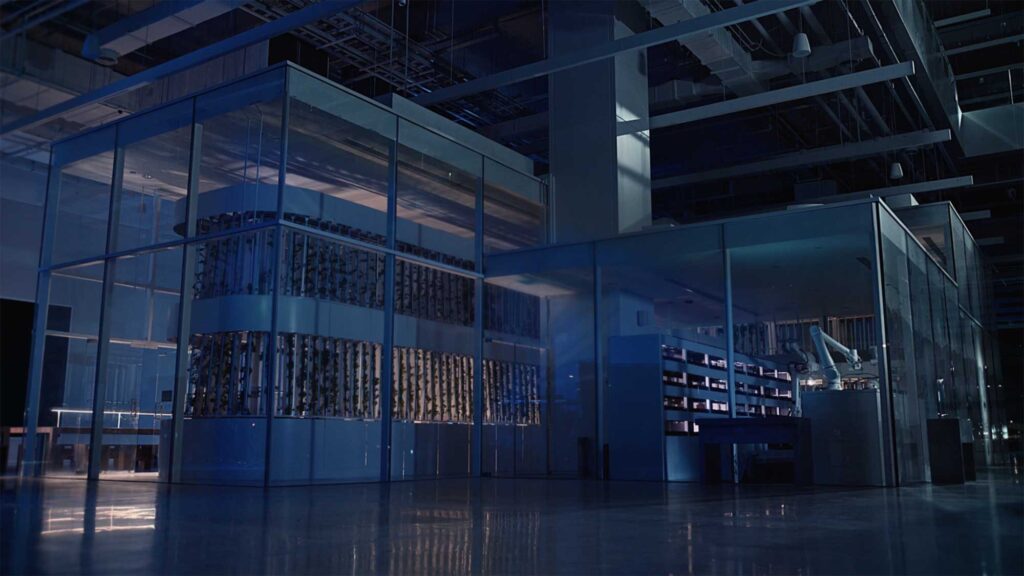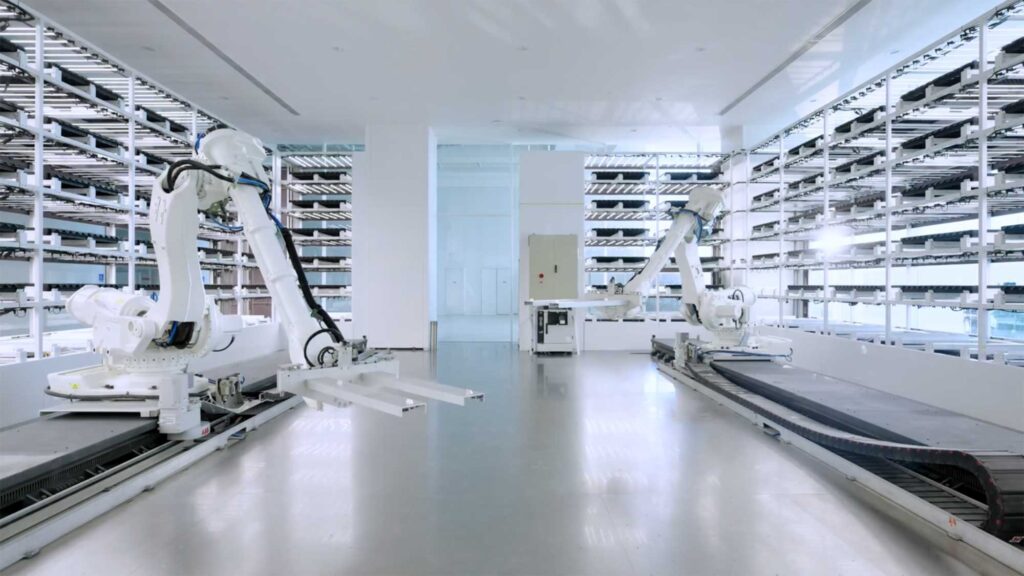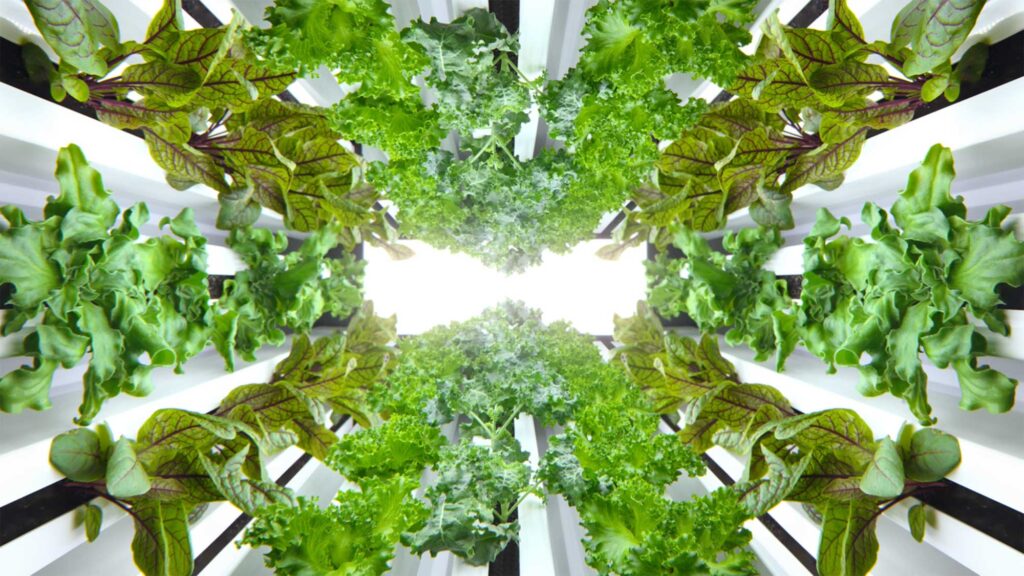

At the Hyundai Motor Group Innovation Center Singapore (HMGICS), robots and automated conveyor systems help grow fresh produce inside a modern industrial facility. The Smart Farm combines indoor agriculture with technology more commonly associated with advanced manufacturing. Visitors can watch crops move through the growing process and later taste produce from the farm.
Our director of photography, Nils Clauss, filmed the facility for an installation piece directed by Minwoo Han and produced by DSCENT. The project focused on the farm’s automated systems, its crops and the experience it offers visitors. It brought together two subjects that rarely share the same setting: food production and industrial robotics.
Why Smart Farming Matters in Singapore
Singapore has limited land for agriculture and imports much of its food. Finding ways to grow more produce locally is therefore an important part of the country’s food security plans. Indoor vertical farms offer one possible solution by growing crops in stacked areas under controlled conditions.
These systems can produce food without large areas of farmland. They also allow growers to manage light, temperature and other conditions throughout the year. However, indoor farming requires electricity, equipment and ongoing maintenance. Its long-term value depends on production costs, energy use and the types of crops it can grow.
Hyundai’s Smart Farm offers a working example of this approach. It shows how an automated growing system can operate inside an urban industrial facility rather than on conventional agricultural land.
Inside Hyundai’s Automated Smart Farm
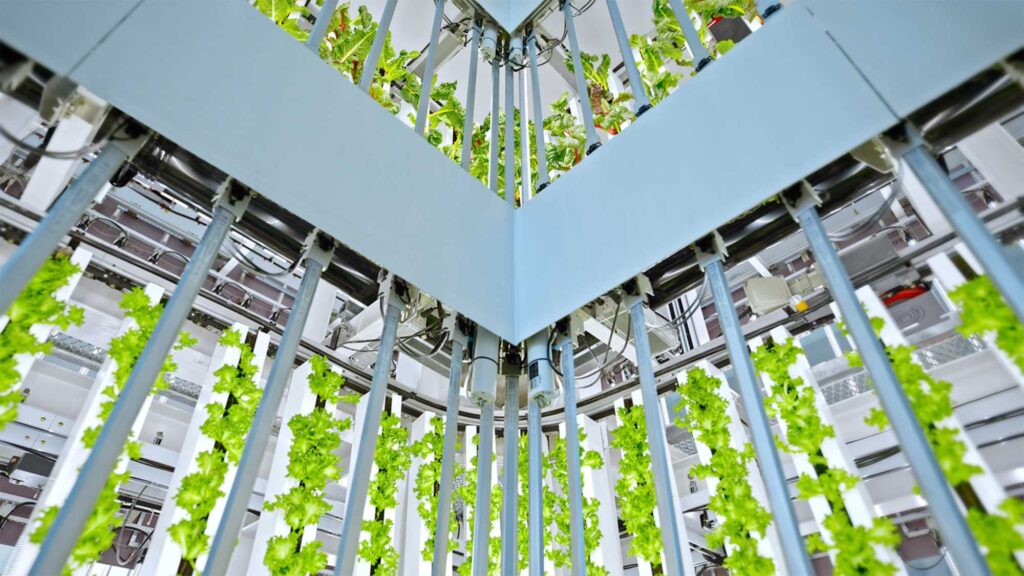
The Smart Farm uses robotics and conveyor systems to move crops through different stages of cultivation. Controlled growing areas provide the conditions plants need, while automated equipment handles parts of the production process. Visitors can observe the system and see how the individual stages connect.
One of the facility’s most distinctive features is its tasting lounge. Here, visitors can eat produce grown at the Smart Farm. This gives the technology a clear purpose beyond demonstrating what the machinery can do.
For our filming, that connection between growing and eating was important. The crops are not simply objects moving through an automated system. They are food that people can experience directly, which makes the farm easier to understand.
Filming Robotics and Indoor Agriculture
An automated farm presents particular challenges for cinematography. Much of the activity happens inside enclosed growing areas or along conveyor systems. Individual movements can appear repetitive, and the purpose of each machine may not be obvious without context.
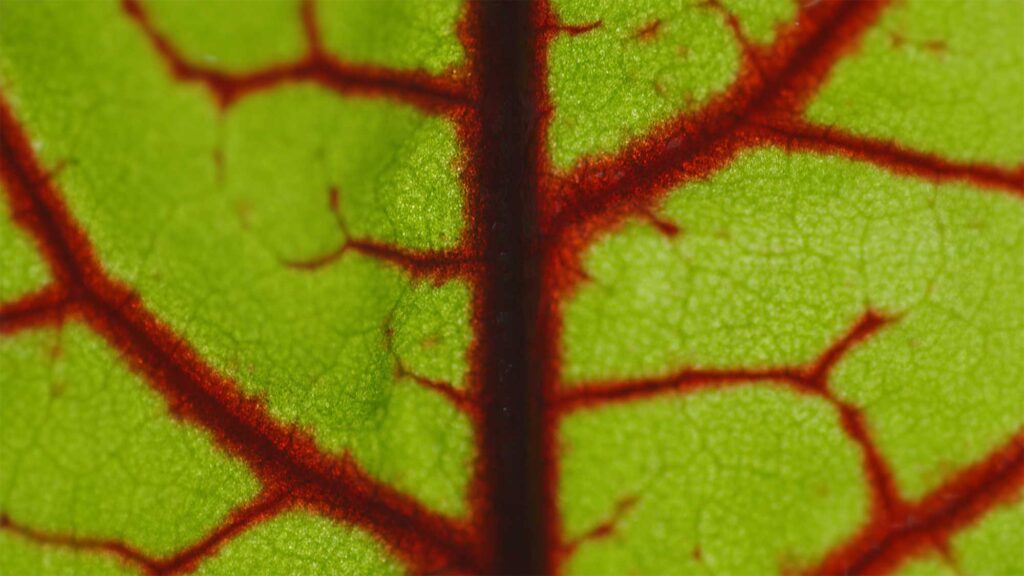
Our cinematography focused on showing how the different parts of the facility work together. Wider views establish the layout of the growing areas and machinery. Closer shots reveal the crops, moving equipment and details of the cultivation process.
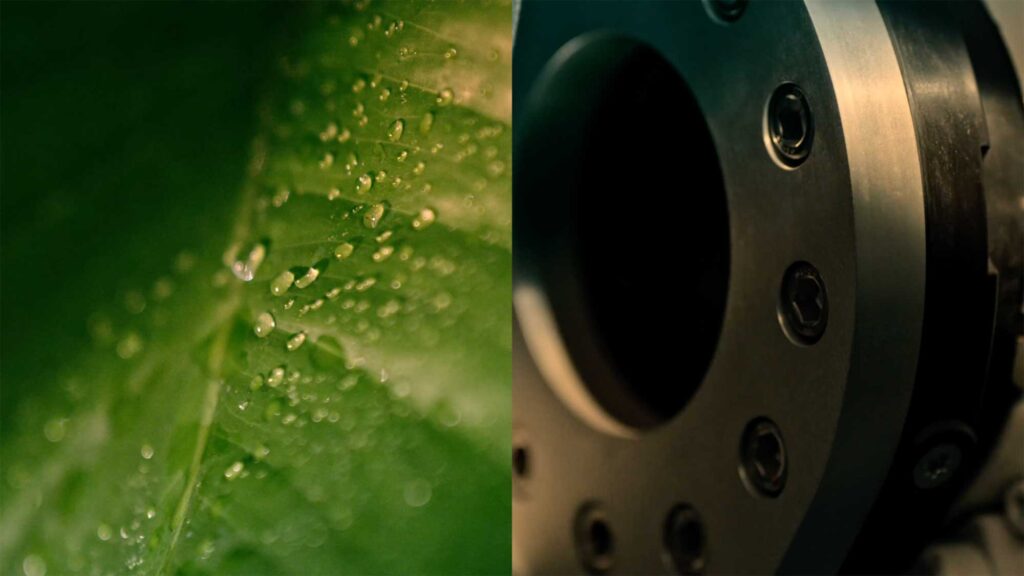
The environment also combines materials with very different visual qualities. Plants, metal structures and mechanical equipment occupy the same space. Photographing these elements together helps communicate what makes the Smart Farm unusual.
Because the footage was intended for an installation film, the images needed to communicate without relying on a conventional documentary narrative. We concentrated on clear compositions and details that could help viewers understand the facility through what they saw.
Connecting Technology With the Visitor Experience
The Smart Farm is not simply a production facility. It also gives visitors a chance to see how automated agriculture works. The growing areas make the process visible, while the tasting lounge connects that process to the food people eat.
This was an important part of the film’s subject. Robotics can seem abstract when viewers only see machines performing isolated tasks. Showing the crops and their connection to the visitor experience makes the purpose of the technology more tangible.
We wanted the cinematography to give both sides of the facility appropriate attention. The automated systems explain how the farm operates. The plants and produce show what those systems are working to achieve.
An International Film Production in Singapore
Director Minwoo Han led the installation film, with DSCENT handling production. The project also involved Minority and INNOCEAN. Nils Clauss joined the team as director of photography for the filming in Singapore.
Nils and Minwoo had previously worked together on the SEAH BESTEEL brand film on Jeju Island. That earlier collaboration gave them an established working relationship before the Smart Farm project.
Filming an operational facility requires close attention to the activities taking place on site. The team needed to capture the automated processes while working within the conditions of a functioning agricultural environment. The resulting footage brought together the machinery, growing areas and visitor-facing elements of HMGICS.
What Hyundai’s Smart Farm Shows About Urban Agriculture
Hyundai’s Smart Farm brings food production into a setting that visitors might otherwise associate with cars and manufacturing. Its automated systems show how robotics can support indoor cultivation, while the tasting lounge gives the process an immediate connection to everyday life.
The facility also raises wider questions about urban farming. Growing crops indoors can reduce the need for agricultural land, but energy consumption and operating costs remain important considerations. Automation offers new possibilities, though it does not remove every challenge involved in producing food locally.
Our work on the installation film focused on making the facility’s processes visible. By photographing the growing areas, machinery and crops, we helped communicate how the Smart Farm operates and what visitors can experience there.
You can watch the film and find the production credits on our Hyundai HMGICS Smart Farm project page.