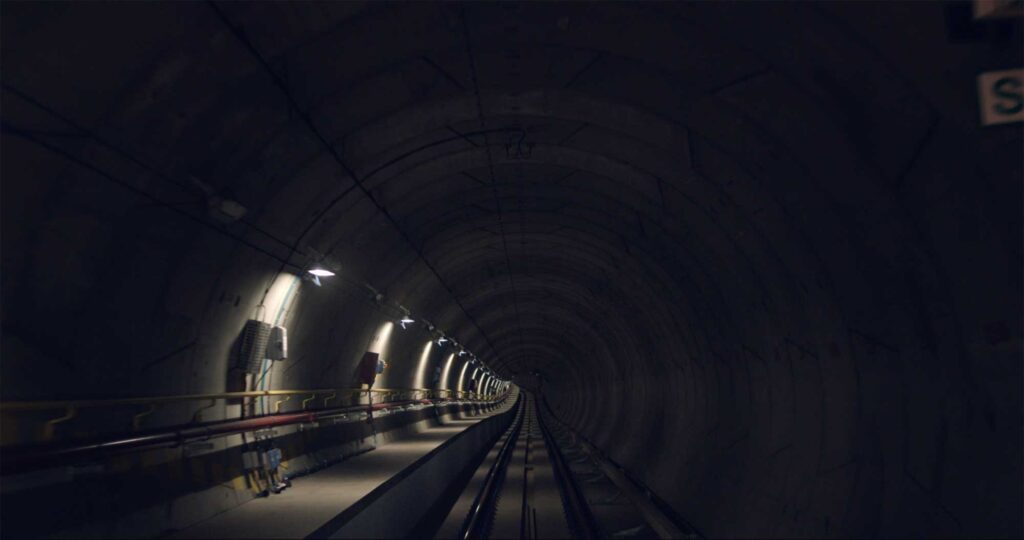

Milan’s new M4 metro line runs beneath the streets of one of Italy’s busiest cities. Known as the Blue Line, it connects Linate Airport with San Cristoforo and offers a new way to travel across Milan. The project also raises an important question: how can cities expand public transport while reducing the environmental impact of construction?
CONTENTED worked with Bloomberg Media Studios and Edera Production Studio on a film for Holcim about the M4 metro. We directed, co-produced, filmed and edited the project. Our film connects the railway’s role in urban transport with the engineering and construction materials that made it possible.
Milan’s M4 Metro and the Future of Urban Transport
The M4 is a fully automated underground railway that connects Milan’s eastern and southwestern districts. Its route serves residential neighbourhoods, business areas and major transport connections. It also gives travellers a direct metro link to Linate Airport.
The project’s published forecasts suggest that the line could carry more than 85 million passengers each year. It could also replace over 60 million car journeys and reduce annual CO₂ emissions by as much as 75,000 tonnes. These figures describe expected benefits, not results that the film independently measured.
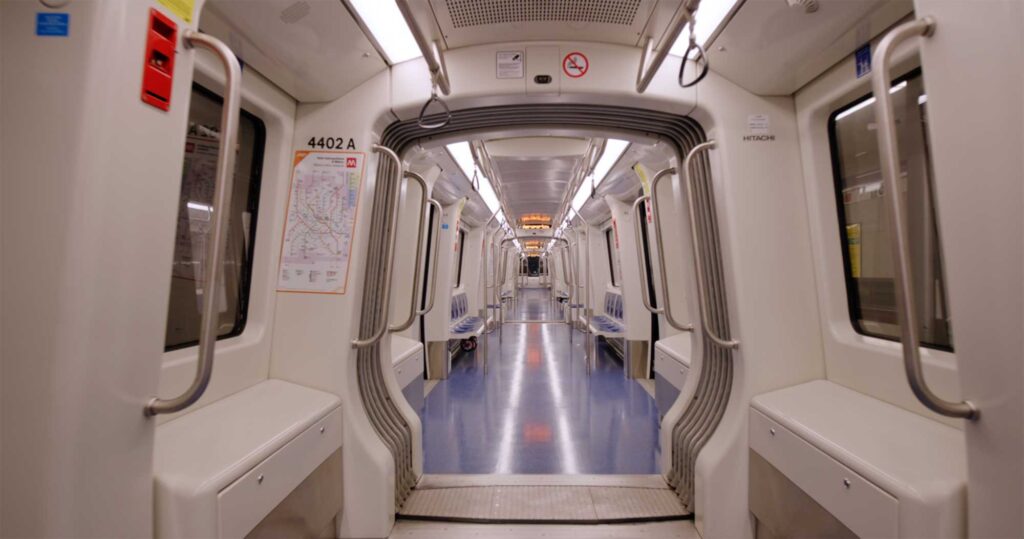
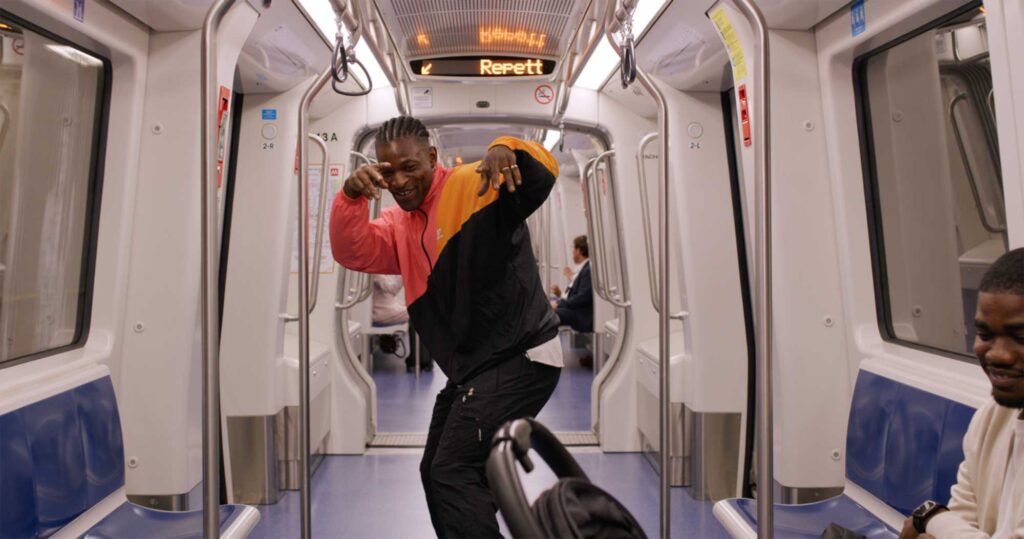
For our production, the challenge was to make those large numbers relevant to everyday life. We filmed the metro as a working transport system, focusing on its stations, trains and the people who use them. These details help show how a major infrastructure project becomes part of a city’s daily routine.
Why Construction Materials Matter
Building an underground railway requires large amounts of concrete and other materials. Their production contributes to the project’s environmental footprint, even when the finished railway helps reduce road traffic.
Italian construction company Webuild built the M4 and selected low-carbon and circular concrete solutions from Holcim. These materials formed an important part of the film’s story. They show how choices made during construction can affect the environmental impact of major infrastructure.
There are two sides to this issue. A new metro can help reduce transport emissions over time, but its construction also generates emissions. Reducing the impact of the materials used to build it is therefore part of the wider effort to make urban infrastructure more sustainable.
We wanted to explain this connection through a real project rather than rely on general claims about sustainability.
How We Approached the Film
Infrastructure can be difficult to communicate on screen. Much of the engineering behind an underground railway disappears from view once construction ends. Passengers see the trains, platforms and station entrances, but rarely the structural systems that support them.
We built the film around the connection between the completed metro and the decisions behind its construction. The M4 gave us a clear setting for a story about public transport, engineering and lower-carbon materials.
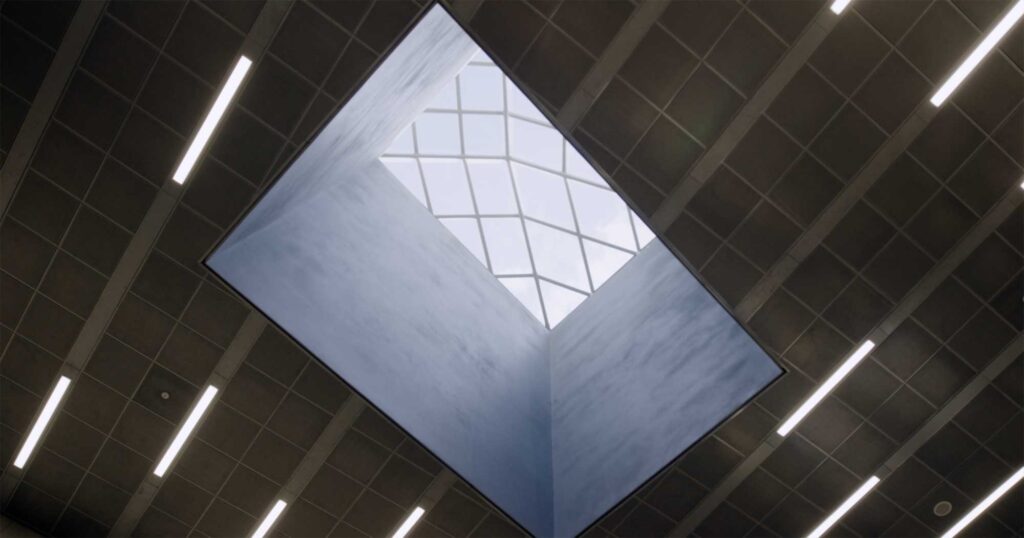
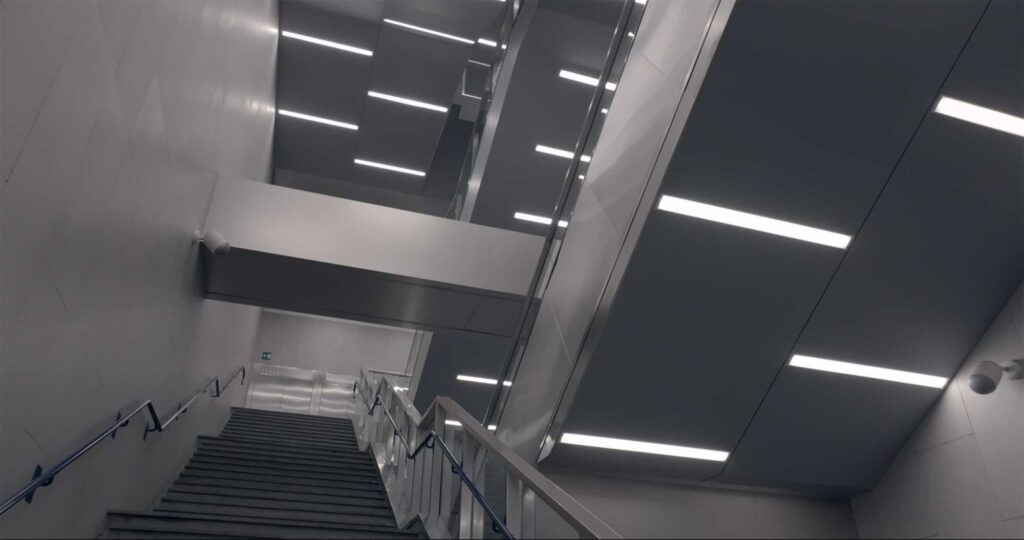
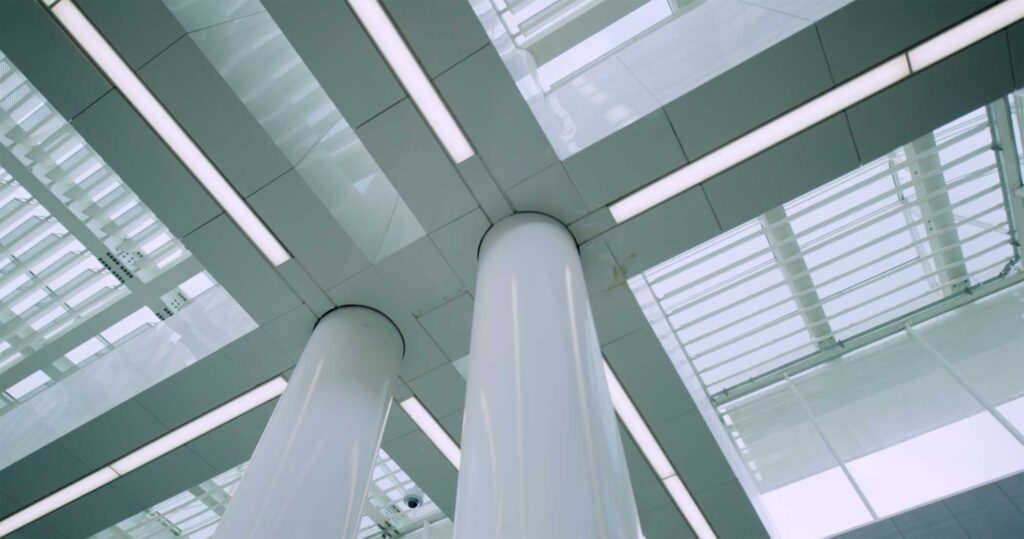
Our cinematography focused on the railway’s architecture, the movement of trains and the way people travel through the stations. Wider shots establish the scale of the spaces, while closer details reveal how they function. By combining these elements, we could present the metro as both a major engineering project and a working part of Milan.
The edit then brought the different aspects of the story together. Our aim was to make the construction and environmental information understandable without losing sight of the city itself.
Filming New Infrastructure in Historic Milan
Milan’s streets and buildings reflect centuries of urban development. The M4 adds a new transport network beneath that existing city, with much of its infrastructure hidden from view.
This contrast made Milan an interesting place to film. The new stations and trains represent a major investment in modern transport, yet they sit within neighbourhoods that already have their own character and history.
As a production company working between Seoul and Berlin, we’re familiar with the challenges that large cities face. Congestion, limited space and the need for efficient public transport affect cities across the world. Milan responds to these pressures within its own urban setting.
We wanted the film to reflect that context. The M4 is not an isolated construction project. It forms part of a city where people already live, work and travel, and where new infrastructure must fit into an established environment.
Working With Bloomberg Media Studios and Edera
Bloomberg Media Studios developed the production for Holcim, working with CONTENTED and Edera Production Studio. Our responsibilities included direction, co-production, cinematography and editing.
This involvement across production and post-production helped us connect the original brief with the footage we captured in Milan. We could plan the material around the story’s main subjects and carry that structure through to the finished edit.
The project brought together several areas of expertise. Holcim provided the construction materials story, while the M4 offered a working example of large-scale urban infrastructure. Our role was to turn those subjects into a film that viewers could follow without needing a technical background in engineering.
Edera Production Studio collaborated with us on the Italian production, helping bring the project together in Milan.
What Milan’s M4 Tells Us About Sustainable Infrastructure
The M4 shows why sustainable infrastructure involves more than one decision. A metro can provide an alternative to road travel, but the resources required to build and operate it also matter.
The line’s projected passenger numbers and emissions reductions suggest its potential contribution to Milan’s transport system. Holcim’s lower-carbon concrete solutions address a different part of the same challenge: reducing the impact of construction materials.
Neither element tells the complete story on its own. A broader assessment would also need to consider actual passenger numbers, operating energy, construction emissions and the railway’s performance over time.
For CONTENTED, the film offered an opportunity to connect these issues through a project that people can see and use. The M4 is both a new transport link and an example of the choices cities face when building for the future.
You can watch the completed film and find the production credits on our Holcim M4 Milan project page.